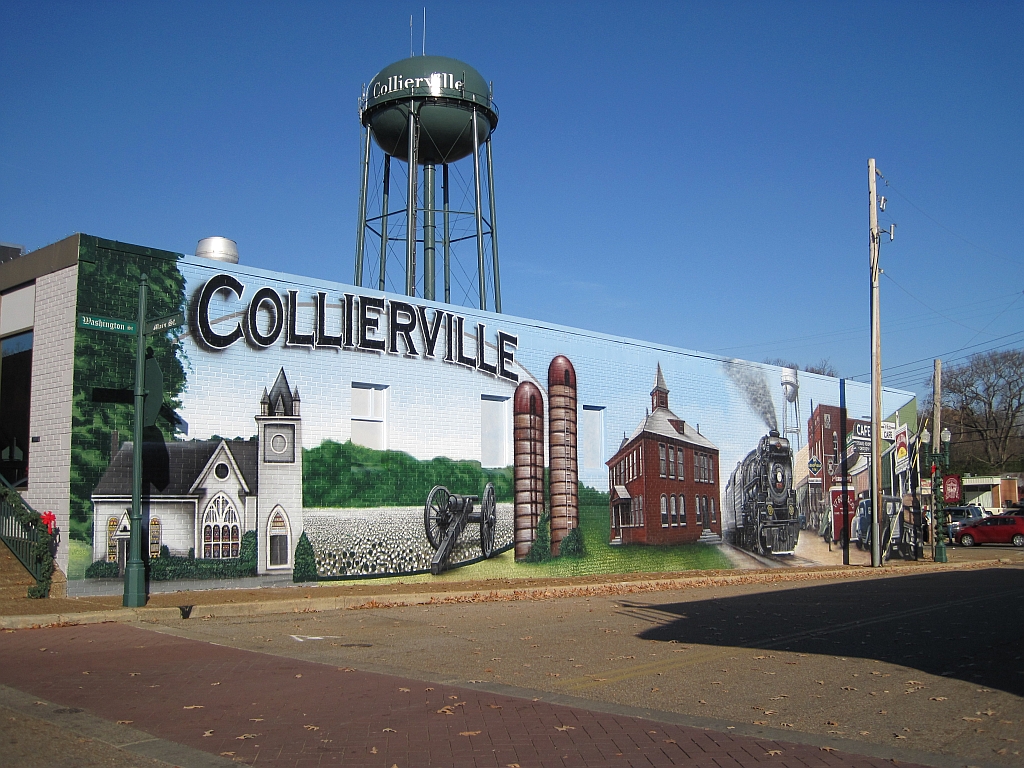
Germantown is an affluent eastern suburb built along the Poplar Avenue and Germantown Parkway corridors, with a commercial base that leans heavily on medical office and higher-end retail supported by some of the strongest household incomes in the metro. An exchange buyer here is typically paying for that demographic strength, and the search should account for how much of the pricing reflects it.
What Actually Drives Germantown's Commercial Base
Methodist Le Bonheur's Germantown hospital campus anchors a meaningful medical office cluster, while retail along Poplar Avenue and Germantown Parkway serves a trade area with some of the highest household incomes in Shelby County. Top-ranked schools continue to draw residential demand, which in turn supports steady occupancy for the household-service and specialty retail tenants that fill Germantown's smaller centers.
That strength comes at a cost: well-located Germantown product rarely sells at a discount, and an exchange buyer should expect cap rates here to run tighter than in Bartlett or Cordova for a comparable asset type.
Property Types Worth Comparing In Germantown
A Germantown search tends to surface a fairly specific set of candidates.
- medical office near the Methodist Germantown hospital campus
- specialty and household-service retail along Poplar Avenue
- professional office serving local practices and firms
- stabilized multifamily near the school-district boundaries
- small mixed-use buildings along Germantown Parkway
What A Generic Germantown Quote Doesn't Say Out Loud
Because Germantown consistently prices at a premium to nearby suburbs, a coordination package that quotes the same fee and diligence scope here as it would for Bartlett or Cordova is implicitly assuming the investor won't notice the pricing gap. That gap should be discussed directly, including whether the premium is justified by the specific candidate's lease quality and tenant credit, rather than by its Germantown address alone.
Medical office candidates near the hospital campus also carry lease and affiliation questions similar to those in East Memphis, and a scope that does not separately price a review of physician group and hospital system relationships is skipping a step that carries more weight here than it would in a standard retail deal.
Coordinating A Premium-Market Purchase
Given how tightly Germantown product prices, an investor should confirm early with a lender whether the numbers still work at the asking cap rate once financing costs are included, rather than assuming a Germantown address alone justifies the price. Title and survey work should start as soon as a letter of intent is signed, since desirable Germantown candidates do not stay under negotiation long.
Comparing Germantown To Nearby Alternatives
Investors who want similar demographic strength without Germantown's full price premium often compare Collierville or parts of East Memphis, since both carry some of the same income and school-driven demand without always trading at the same tight cap rate.
What A Germantown Underwriting File Should Contain
Because Germantown product prices at a premium, the underwriting file should go beyond a standard rent roll. For medical office, request each tenant's affiliation status, remaining lease term, and any early-termination language tied to hospital system contracts, since a single affiliated tenant leaving can move building-wide demand more than a comparable vacancy elsewhere. For retail along Poplar Avenue, ask for at least three years of sales or occupancy history broken out by tenant category, since household-service tenants and specialty retailers can show different renewal patterns than a national chain would.
An investor should also request the seller's most recent property tax assessment history, since Germantown's premium pricing has drawn a number of recent appeals that can affect the expense line a lender will underwrite against. A quote that skips this line item is quietly asking the investor to discover it after closing rather than before identification. Insurance costs are worth checking as well, since higher property values in Germantown can carry higher premiums than a comparable building in Bartlett or Cordova would.
Common 1031 Exchange Questions
Why does Germantown commercial property typically cost more?
Germantown's household incomes and top-ranked schools support steady demand for medical office, retail, and multifamily, which tends to push cap rates tighter than in nearby suburbs for a comparable asset.
What drives medical office demand in Germantown?
The Methodist Germantown hospital campus anchors a meaningful medical office cluster, and lease terms for these tenants often depend on physician group and hospital system affiliations that should be reviewed directly.
Is Germantown worth the price premium for a 1031 exchange?
It can be, depending on the specific candidate's lease quality and tenant credit, but the premium should be evaluated on those terms rather than assumed to be justified by the Germantown address alone.
How quickly does Germantown product move?
Desirable candidates tend to move quickly given steady local demand, so title and survey work should start as soon as a letter of intent is signed rather than after a full comparison period.
What are good backup comparisons to Germantown?
Collierville and parts of East Memphis share some of Germantown's income and school-driven demand characteristics and are common comparisons for investors who want similar fundamentals at a different price point.
Should property tax assessment history be checked before buying in Germantown?
Yes. Germantown's premium pricing has drawn a number of recent tax appeals, so reviewing the seller's assessment history helps confirm the expense line a lender will actually underwrite against.
How far back should Germantown retail sales history be reviewed?
At least three years, broken out by tenant category, since household-service and specialty retailers common in Germantown can show different renewal patterns than a national chain would.