Memphis is not one submarket, it's a distribution economy with a downtown wrapped around it. The FedEx World Hub at Memphis International Airport, plus the rail lines that converge here and the barge traffic on the Mississippi River, makes industrial and logistics space the backbone of the local commercial base. A 1031 exchange into Memphis can mean an airport-adjacent warehouse, a downtown retail building, or a medical office lease, and those three are priced and diligenced in completely different ways.
What a City-Wide Memphis Quote Usually Glosses Over
When a coordination provider quotes a flat fee to cover Memphis, ask what that actually means. Industrial space near the airport requires a different diligence pass than downtown retail or medical office near the hospital corridors, and a generic quote that doesn't name the asset type is usually pricing in an average, not the specific work your file needs.
The scope game shows up when the fee looks competitive on a one-line summary but excludes anything asset-specific, like rail spur access verification for an industrial building or historic-district restrictions on a downtown property. Ask for the scope broken out by property type before comparing two quotes side by side, and ask what happens to the fee if the identified property changes asset class partway through the search, since that's exactly the kind of shift a citywide search can produce.
The Asset Types That Actually Drive Memphis Volume
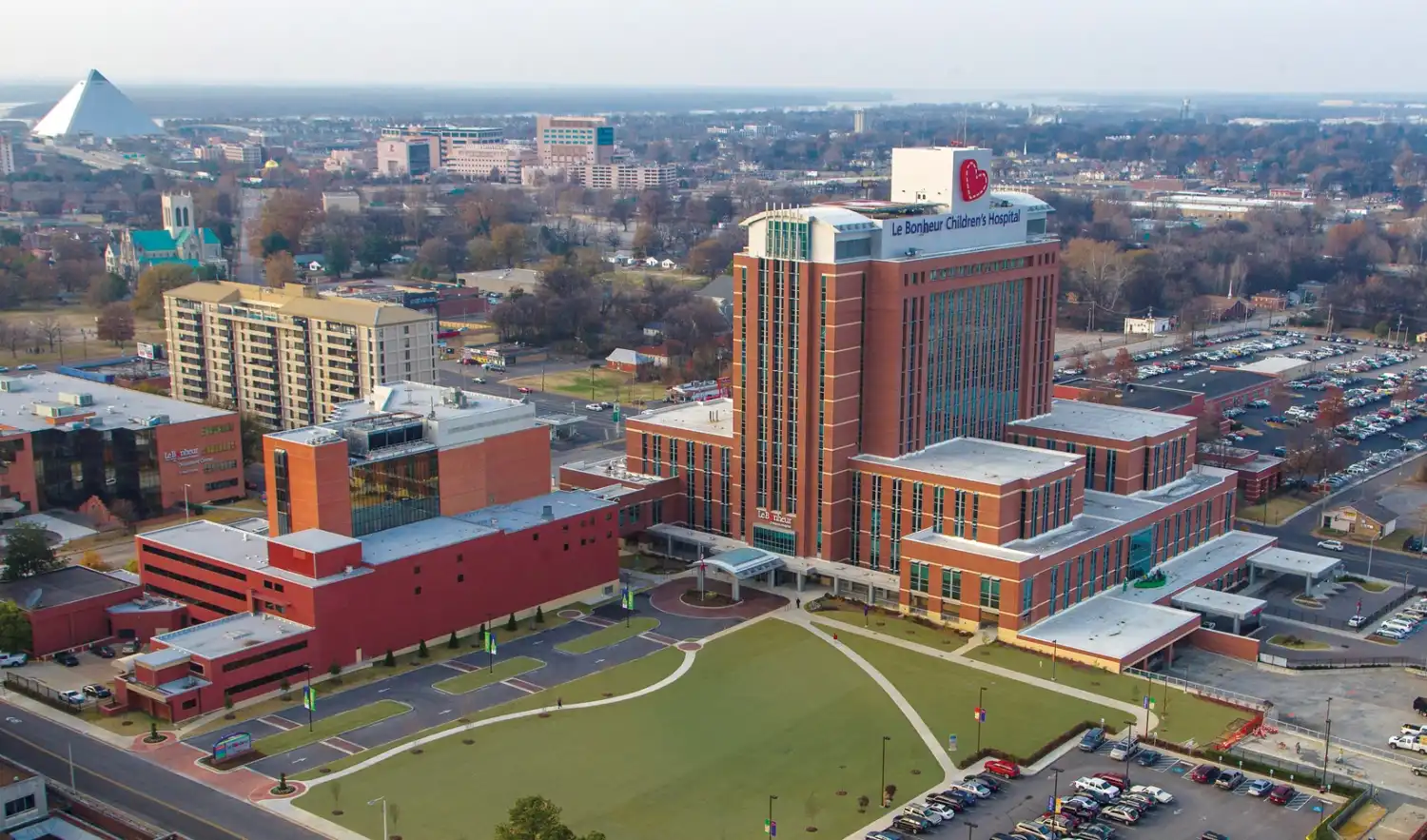
Industrial and logistics space tied to the FedEx hub and the interstate network dominates transaction volume here, followed by medical office tied to the hospital systems, retail along the major suburban corridors, and multifamily spread across a wide range of submarkets and price points. Downtown itself adds office and mixed-use conversions to that list.
An investor exchanging into Memphis industrial space is often buying into rail or interstate access more than the building itself. That access is what supports rent, and it's also what a due diligence file needs to verify directly rather than take on faith from a broker's flyer. Medical office tenants, by contrast, are usually paying for proximity to a specific hospital system rather than for interstate access, which means the underwriting question for each asset type is genuinely different even though both sit inside the same city limits.
Citywide Diligence Points That Get Skipped Under Time Pressure
Because Memphis covers such a wide range of asset types, a rushed exchange file can end up applying industrial-level scrutiny to a retail deal, or skipping industrial-specific checks entirely. Both mistakes are avoidable with a scope that matches the property.
- Rail spur or dock access verification for industrial and logistics candidates
- Flood zone status for property near the Mississippi River and its tributaries
- Historic district or overlay restrictions for downtown and older commercial buildings
- Tenant concentration risk for medical office tied to a single hospital system
- Local property tax reassessment history following a change in ownership
- Environmental review for older industrial parcels with prior manufacturing use
Coordinating a Broad-Market Exchange Without Losing the Deadline
A citywide search gives an investor more identification options, but more options also means more comparison work inside the same 45-day window. A qualified intermediary can hold funds and prepare documents, but someone still has to compare an industrial building near the airport against a retail parcel in another part of the city on the same timeline.
Investors should ask their CPA how the boot calculation changes if the relinquished property was one asset type and the replacement is a different one entirely, since debt replacement and equity requirements can shift more than people expect when the asset class changes along with the location.
Comparing Memphis Submarkets Instead of Treating the City as One Market
Once a general Memphis search narrows to a shortlist, it usually makes more sense to compare specific submarkets, industrial near the airport, medical office near the hospital corridor, retail in the eastern suburbs, against each other directly rather than keep the search citywide.
That narrowing should happen early enough that the investor still has time to build a real backup list before the identification deadline, not after the strongest candidate falls through diligence. A citywide search is a starting point for comparison, not a substitute for eventually committing to a short list of submarkets that match the investor's actual income and management goals.
Common 1031 Exchange Questions
Why does industrial and logistics space dominate the Memphis commercial market?
The FedEx World Hub at Memphis International Airport, combined with converging rail lines and Mississippi River barge access, makes Memphis a major distribution hub. That access drives industrial rent and demand more than in most comparably sized cities.
Can one coordination quote realistically cover the whole Memphis market?
Only if it names the asset type. Industrial, medical office, retail, and multifamily each require different diligence steps, and a flat citywide fee that doesn't specify scope by property type is likely averaging costs rather than pricing the actual work.
What changes if the replacement property is a different asset type than the one sold?
The 1031 rules focus on like-kind real property, not matching asset categories, but debt replacement and equity requirements can shift when moving between asset types. Confirm boot exposure with a CPA before finalizing the identification list.
How should an investor narrow a citywide Memphis search?
Compare specific submarkets directly, industrial near the airport against medical office near the hospital corridor, for example, rather than treating Memphis as a single market. Narrow the list early enough to leave time for backup candidates.
What diligence items are specific to Memphis industrial property?
Rail spur or dock access verification, environmental review for older manufacturing parcels, and flood zone status near the river and its tributaries are all specific to industrial candidates and are sometimes skipped in a generic coordination quote.