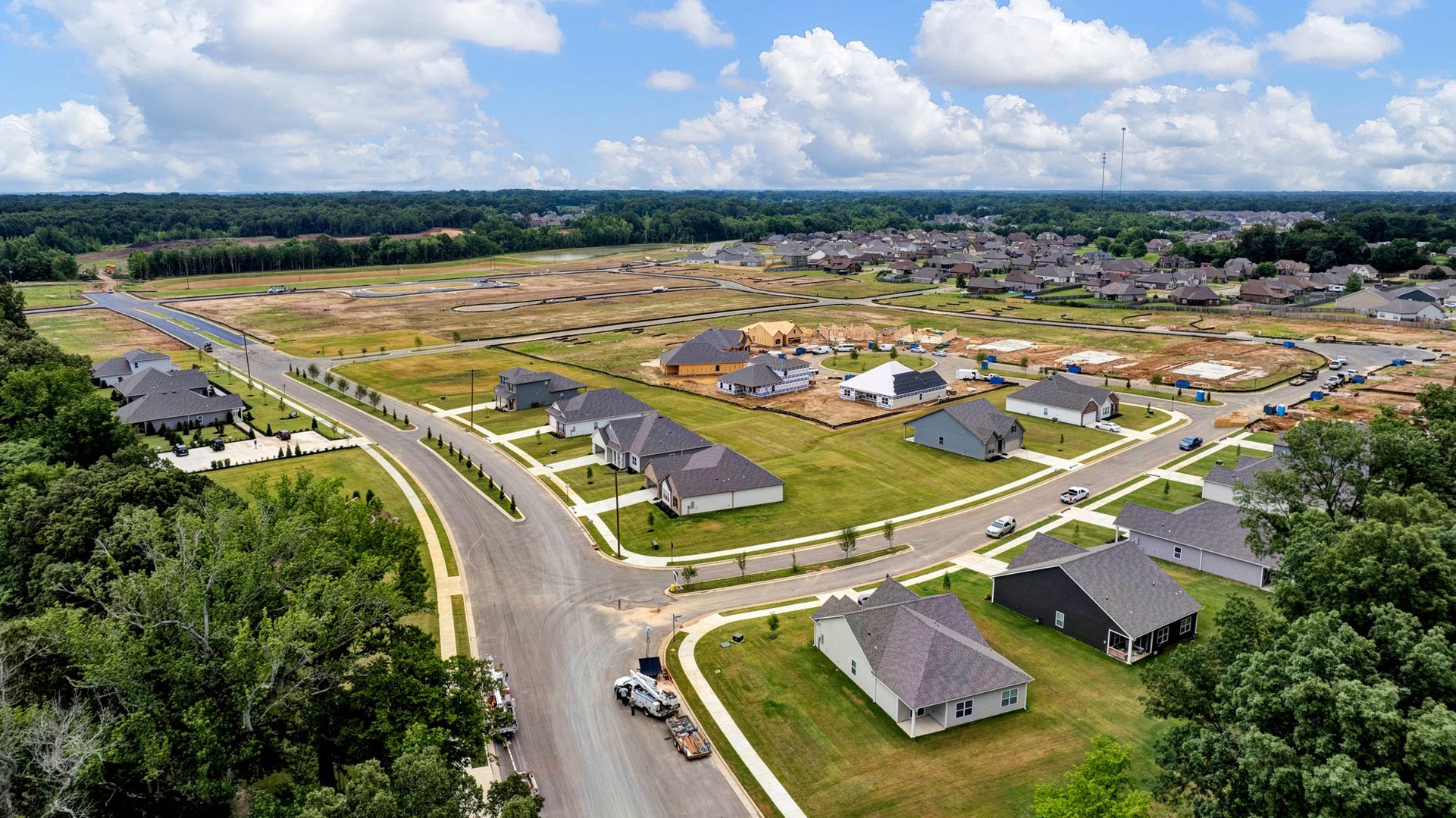
Eads is an unincorporated, largely rural community in the far eastern corner of Shelby County, close to the Fayette County line, and it does not pretend to be a commercial hub. An investor considering Eads for a 1031 replacement is usually looking at land, agricultural holdings, or very small commercial parcels rather than anything resembling the retail centers found closer to Memphis.
Eads Is Land Character, Not Retail Character
Most of what sits around Eads is large-lot rural residential and agricultural land, with only scattered small commercial parcels along the main road corridors. There is no meaningful retail center, office park, or multifamily concentration here the way there is in Collierville or Cordova, and a search that assumes otherwise will come up short quickly.
That does not make Eads irrelevant to an exchange search. Some investors specifically want land or agricultural holdings as replacement property, particularly when the relinquished asset was itself rural or when a longer-term land banking strategy fits the investor's goals better than an income-producing building.
What Actually Exists To Buy Around Eads
The realistic inventory near Eads falls into a short list.
- agricultural and large-lot land parcels
- scattered small commercial buildings along the main road corridors
- rural single-tenant sites serving the surrounding farm and residential population
The Honest Gap In Any Eads Quote
Some exchange coordination proposals do not distinguish between a market with real commercial depth and one like Eads that mostly offers land. If a quote prices Eads diligence the same way it prices a Cordova retail center, that scope was not scaled to what is actually available here, and the investor should ask directly what the coordinator expects to find before paying for a full commercial review.
Land purchases also raise different qualifying questions under exchange rules than income-producing buildings do, particularly around whether the land will be held for investment or business use rather than for immediate resale or personal use. That distinction should be discussed with the investor's tax advisor before Eads goes on an identification list, not after. A generic quote that treats every replacement candidate the same way, regardless of whether it produces income or simply sits as raw acreage, has not actually priced the review the investor needs.
Where Eads Fits In A Wider Search
Given how limited the local inventory is, Eads usually shows up as one option inside a broader search that also includes Collierville, Piperton, or other growth-edge locations rather than as a standalone target. Keeping those comparisons active from the start avoids a scramble if the only realistic Eads candidate falls out of contract.
What A Land File Should Contain Before Identification
A land or agricultural candidate near Eads should come with a current survey, a title search that specifically checks for old farm-boundary easements and unrecorded rights of way, and confirmation of what utilities, if any, actually reach the parcel. Septic or well capacity should be documented directly rather than assumed adequate, since some Eads parcels were never connected to municipal water or sewer and a buyer's intended use may require capacity the land does not currently have.
If the land carries any existing agricultural exemption or use-value assessment, the investor's tax advisor should confirm how a change in use after purchase might affect that status, since losing an exemption can change the carrying cost of the replacement property in ways a generic quote will not flag. Access should also be confirmed directly, since some parcels near Eads front only a gravel easement road rather than a maintained public road, which can affect both financing and future resale.
Common 1031 Exchange Questions
Is there real commercial inventory in Eads?
Very little. Eads is mostly agricultural and large-lot rural land with a handful of scattered small commercial parcels, so most 1031 searches treat it as a land option rather than a retail or office market.
Can raw land qualify as 1031 replacement property?
Land held for investment or business use can generally qualify, but this depends on the specific facts and should be confirmed with the investor's tax advisor before Eads land is added to an identification list.
Why would an investor choose Eads instead of a closer-in suburb?
Some investors specifically want land or agricultural holdings for a longer-term strategy, or the relinquished property was itself rural, making Eads a more natural fit than an income-producing retail or office building.
Should Eads be paired with other locations in a search?
Given how thin the local inventory is, most investors keep Collierville, Piperton, or other eastern Shelby County locations active alongside Eads rather than relying on it alone.
What should a generic exchange quote clarify before including Eads?
The quote should state directly whether it expects to find land, agricultural property, or small commercial buildings around Eads, since pricing a full commercial diligence package for a market that mostly offers land does not match reality.
Do Eads land parcels always have utility service?
Not always. Some parcels were never connected to municipal water or sewer, so well or septic capacity and available utility service should be confirmed directly before the land is added to an identification list.
Does an agricultural exemption complicate a land purchase near Eads?
It can. A change in use after purchase may affect an existing agricultural exemption or use-value assessment, so the investor's tax advisor should review this before the land is added to an identification list.