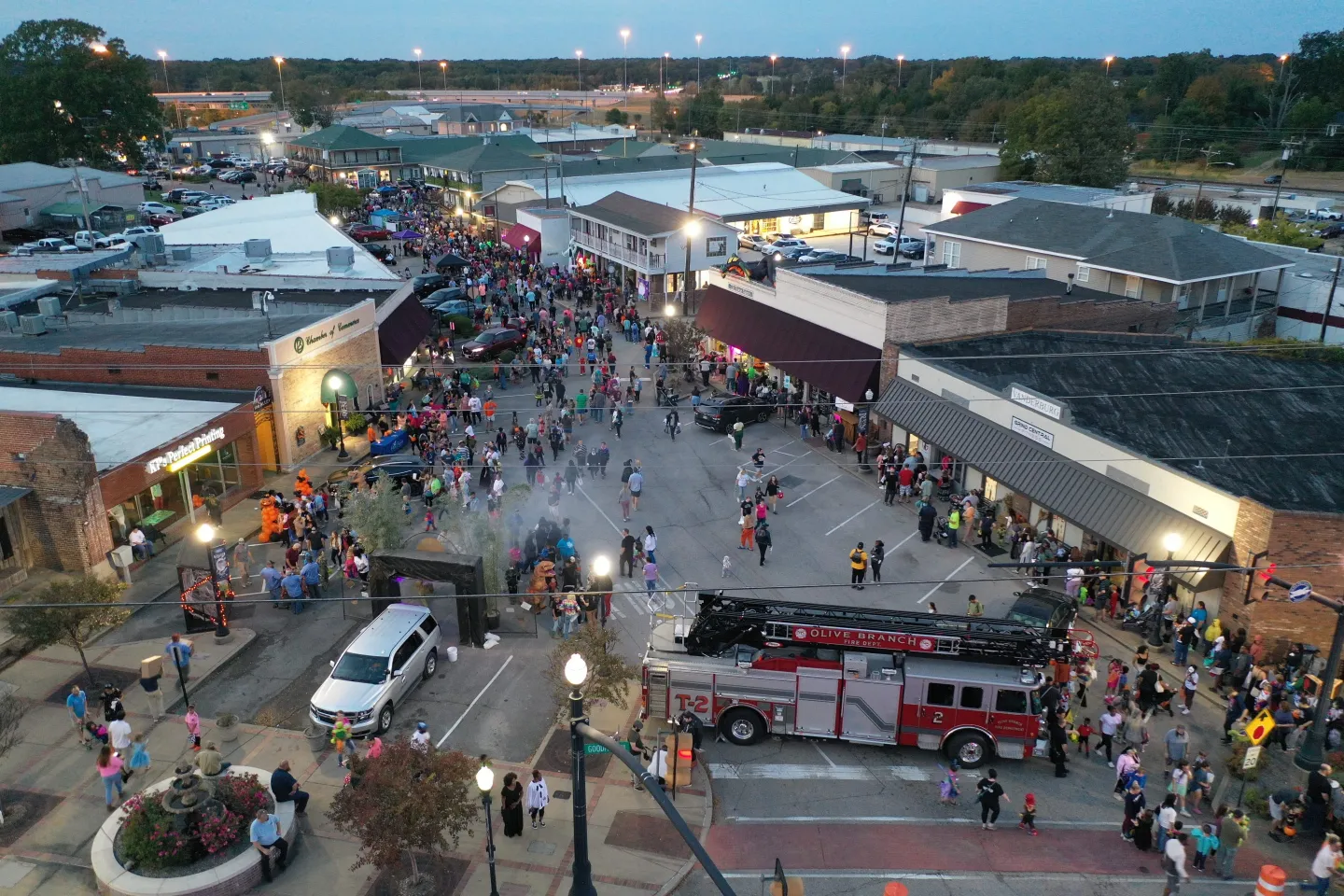
Southaven is the largest Mississippi suburb in the Memphis metro, and it has the retail and industrial base to show for it. The Towne Center corridor along I-55, the industrial stock tied to I-269, and a multifamily market that's grown steadily for years give investors more genuine inventory here than almost any other DeSoto County location, but that volume also means more variation in property quality that a generic quote can paper over.
Where a Southaven Coordination Quote Gets Vague
Because Southaven has so much inventory, a coordination provider can quote a fee based on Southaven retail or Southaven industrial without saying which part of town, or which specific property class, the number actually reflects. A retail pad near Towne Center and an older strip center off Airways Boulevard are not priced or diligenced the same way.
Ask for the scope tied to the specific candidate property, not the submarket label. A quote that reads the same whether the target is a big-box anchor or a small in-line retail suite hasn't actually looked at what's being identified. Two properties with the same Southaven address on a map can carry completely different anchor exposure, and that difference belongs in the diligence scope, rather than only in the general submarket pitch.
The Property Types That Make Up Southaven's Volume
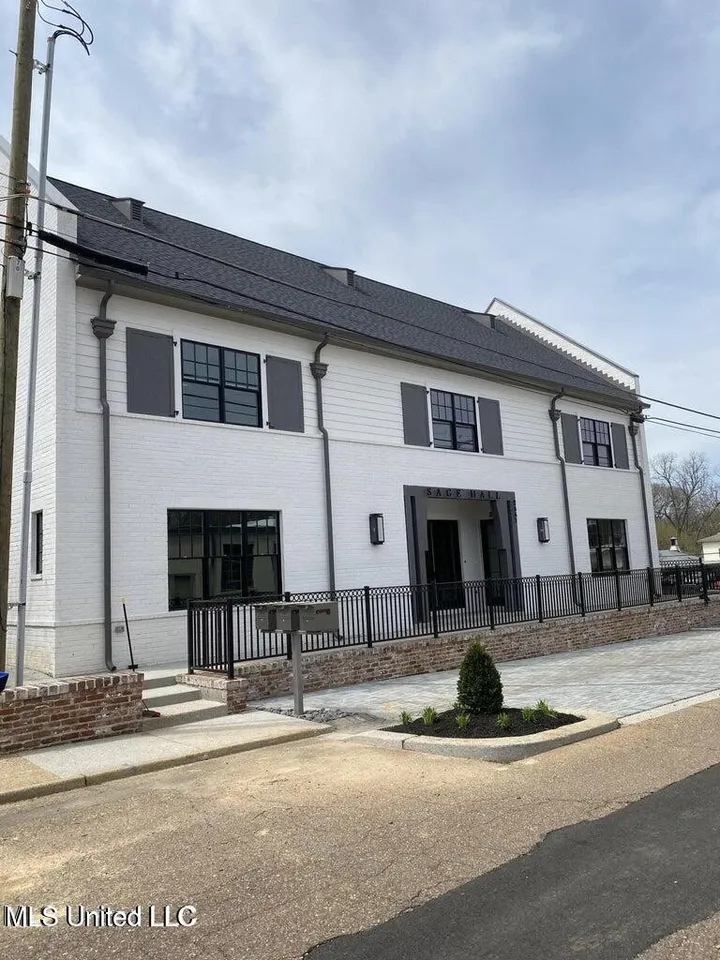
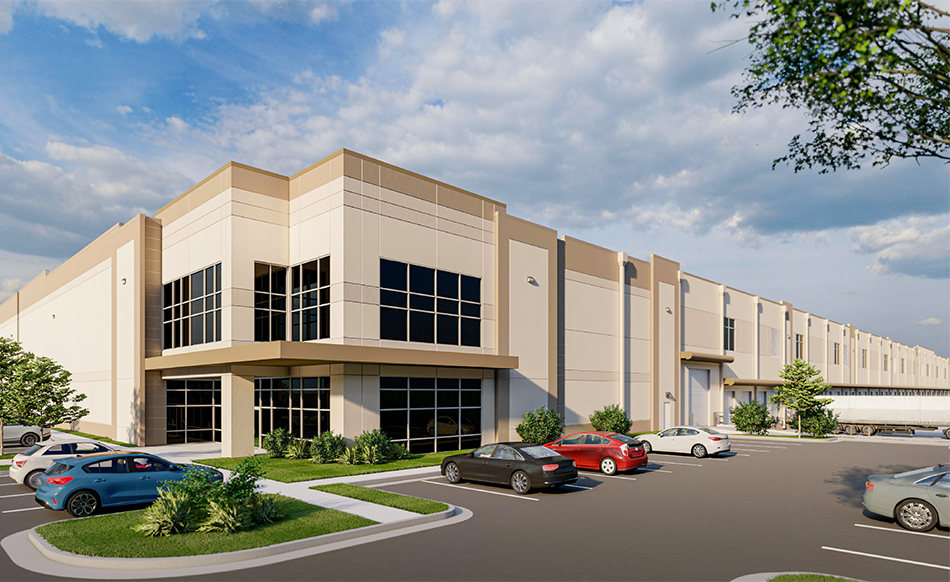
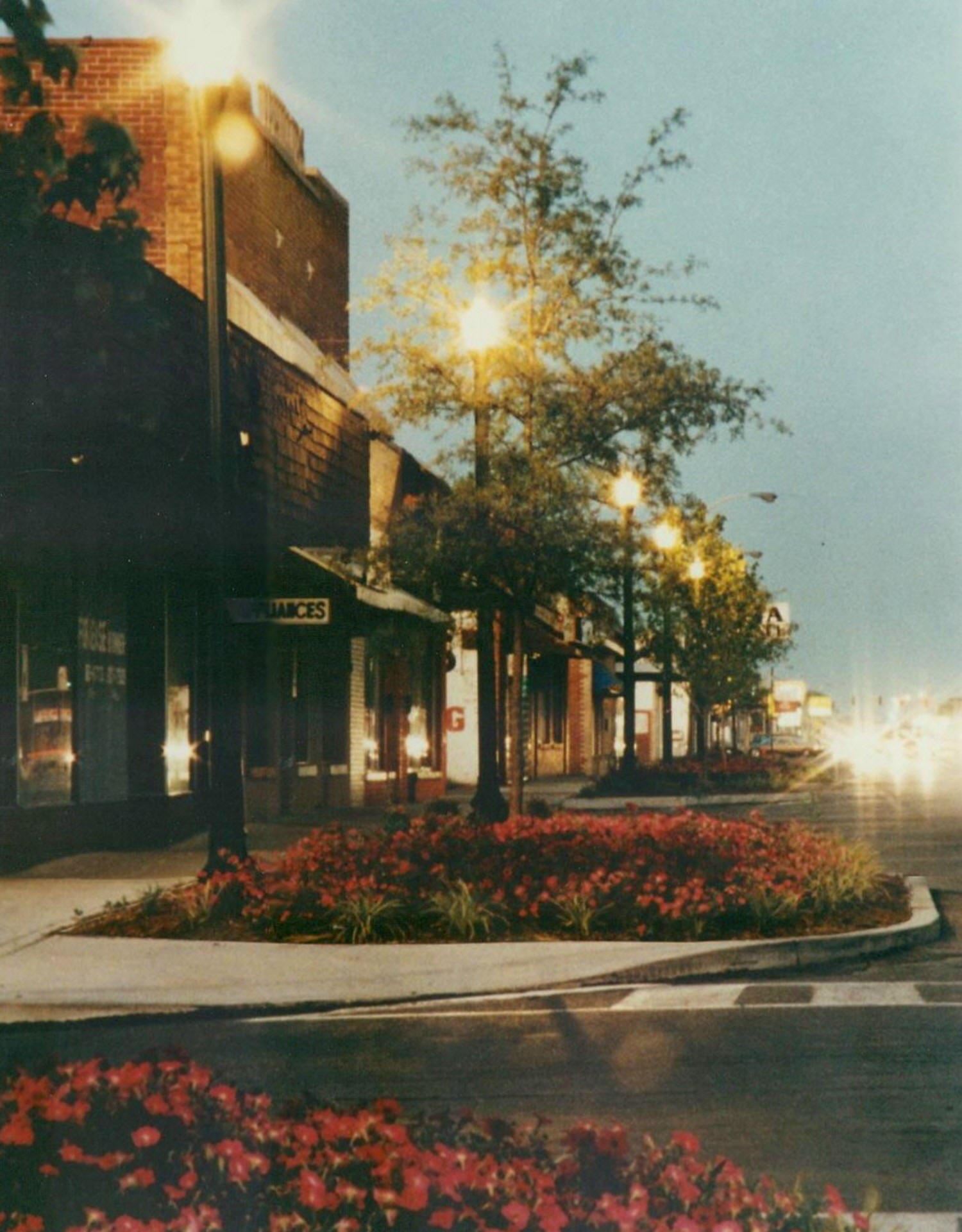
Retail dominates around the Towne Center corridor and along Getwell Road, ranging from big-box anchors to smaller in-line and pad sites. Industrial and distribution space runs along the I-269 corridor, and multifamily has expanded steadily to house the workforce both of those sectors employ.
The Snowden Grove park and event complex has also pulled some hospitality and entertainment-adjacent retail into the mix, which is a property type that doesn't show up much elsewhere in the metro and deserves its own diligence approach rather than a standard retail checklist. Rent for that kind of property often depends on event calendars and seasonal traffic in a way that a year-round retail center doesn't, and income projections should reflect that variability rather than smoothing it out.
Diligence Points That Get Lost in a High-Volume Market
A market with this much turnover can tempt a coordination provider to move fast and lean on general area strength instead of property-specific facts, and that's exactly where problems get missed.
- Anchor tenant co-tenancy clauses in larger retail centers along the Towne Center corridor
- Actual traffic counts and access points versus general corridor reputation
- Mississippi-specific title and closing requirements distinct from Tennessee practice
- Industrial building specifications relative to current I-269 corridor tenant standards
- DeSoto County tax assessment history following recent ownership changes
Coordinating a High-Inventory Market Without Losing Focus
More available inventory is an advantage during the 45-day identification window, since it's easier to build a real three-property backup list here than in a thinner submarket. The risk shifts instead to spending too much time comparing similar-looking retail pads instead of drilling into the one or two that actually fit the investor's income and management goals.
A qualified intermediary can hold proceeds and prepare documents for whichever candidate is chosen, but the volume of choices in Southaven means the investor's own comparison discipline matters more here than the QI's process. Spending the first two weeks of the identification window narrowing to a real shortlist usually pays off more than spending those weeks touring every available option in the corridor.
Southaven Compared to Olive Branch and the Rest of DeSoto County
Southaven and Olive Branch get compared often, and the honest answer is that they serve overlapping but not identical roles, Southaven skews more retail and multifamily, Olive Branch skews more toward large-scale distribution.
Investors should let the specific candidate property, not a general preference for one town over the other, drive the final identification decision. A retail investor comparing a Towne Center pad against an Olive Branch distribution building isn't really choosing between two towns, they're choosing between two entirely different income strategies that happen to sit in the same county. Naming that distinction plainly, before the identification list is finalized, keeps the comparison honest instead of letting geography stand in for actual underwriting.
Common 1031 Exchange Questions
Why does Southaven have more commercial inventory than most DeSoto County locations?
It's the largest Mississippi suburb in the Memphis metro, with an established retail corridor along Towne Center and Getwell Road, industrial stock along I-269, and years of steady multifamily growth supporting both.
Should a coordination quote for Southaven be the same regardless of the specific property?
No. A retail pad near Towne Center and an older strip center elsewhere in town carry different diligence needs. A useful quote should reflect the specific candidate property, rather than only the general submarket.
What makes Southaven different from Olive Branch as a replacement location?
Southaven leans more toward retail and multifamily, while Olive Branch leans more toward large-scale distribution and industrial. Both are legitimate options, and the choice should follow the specific property, not a general preference.
What should be checked before identifying retail near Southaven's Towne Center corridor?
Anchor tenant co-tenancy clauses, actual traffic counts at the specific location, and any language that could allow rent reduction or termination if an anchor tenant leaves should all be reviewed directly.
Does Southaven's larger inventory make the 45-day identification window easier?
It can, since building a genuine three-property backup list is easier where there's more comparable inventory. The tradeoff is that investors need discipline to compare candidates closely rather than treating similar-looking properties as interchangeable.