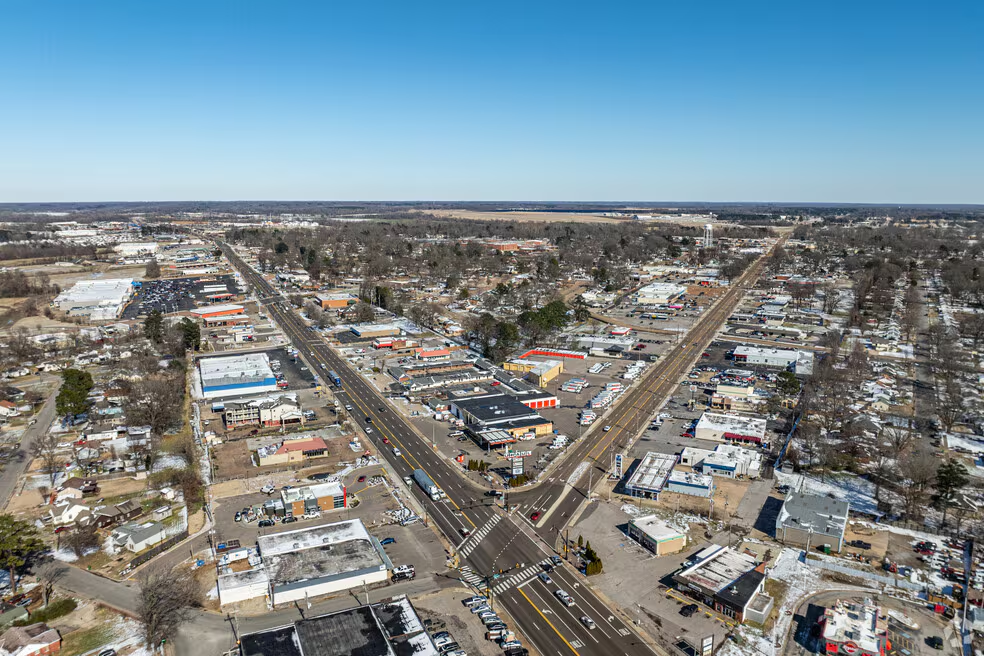
Arlington sits at the far northeastern edge of Shelby County, still closer in feel to Fayette County farmland than to the retail corridors around Bartlett. Investors bringing exchange proceeds up US-70/64 into Arlington are working with a genuinely small commercial base, and a coordination plan that treats it like a scaled-down version of Cordova will miss the real constraints.
Arlington's Actual Commercial Footprint
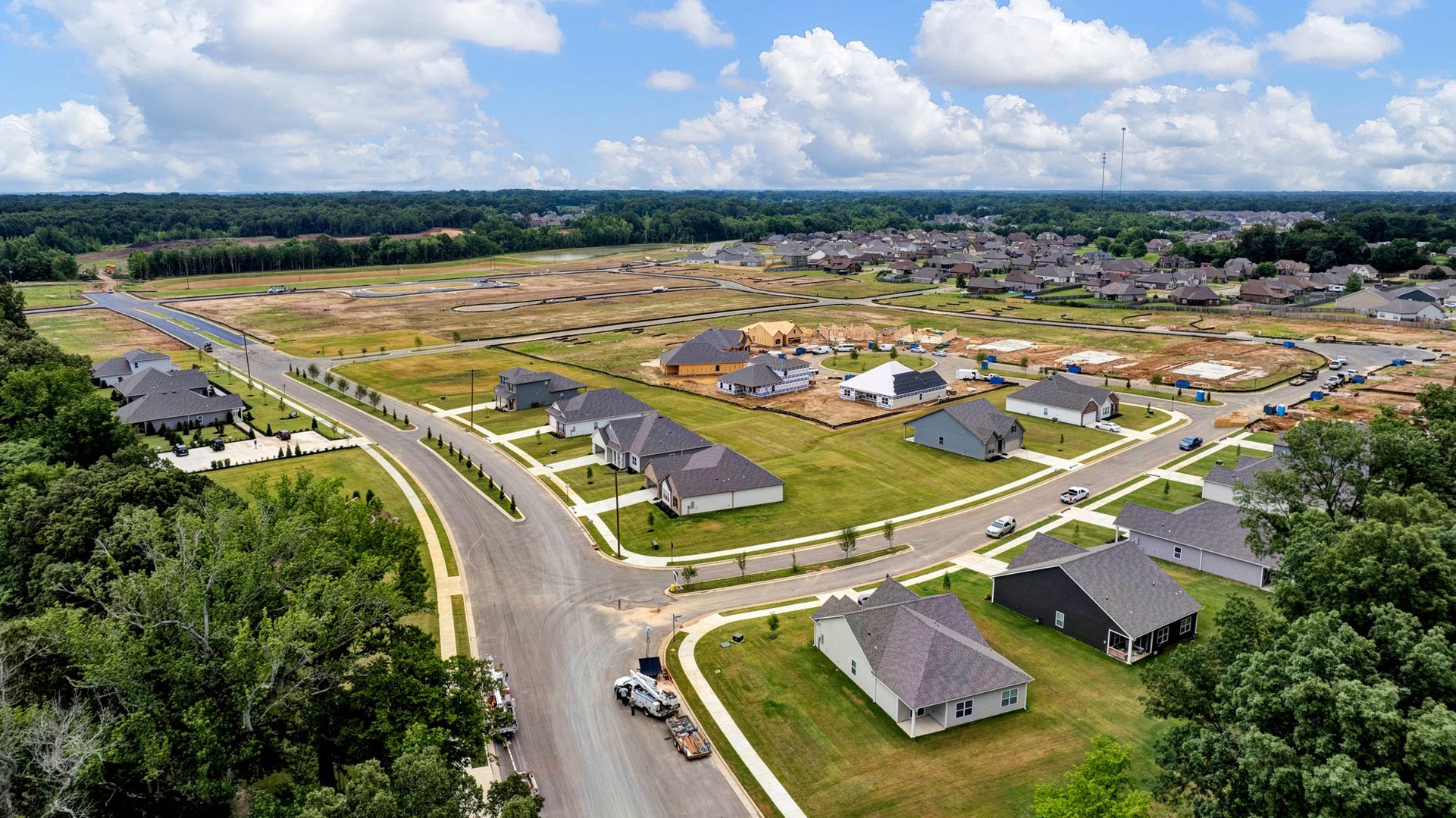
Arlington's growth has run well ahead of its commercial buildout. Rooftops have expanded steadily along Milton Wilson Road and the US-70/64 corridor near the historic train depot, but the retail and office stock that normally follows residential growth in Shelby County has not caught up the way it has in Lakeland or Bartlett. Most of what stands today is small-format: single-tenant pads, a handful of strip centers, and land still zoned agricultural that has not been entitled for commercial use.
That gap matters for a 1031 buyer. Arlington can work as a replacement market, but it usually works better as one leg of a search that also looks at Lakeland and the Bartlett line, because Arlington alone may not produce enough qualifying candidates to fill a three-property identification list.
What's Actually For Sale In Arlington
The inventory that does trade in Arlington tends to fall into a few recognizable categories, and an investor should know which one a candidate belongs to before assuming it behaves like a typical Memphis-area asset.
- single-tenant retail pads fronting US-70/64
- small self-storage facilities built to serve new subdivisions
- light industrial and flex buildings near the rail spur
- agricultural and large-lot land parcels with future commercial entitlement potential
The Gap In Most Exchange Quotes For Arlington
Most national exchange coordination packages price Arlington the same way they price any other Memphis-area zip code, because the quote was built off a template that assumes uniform inventory across the metro. That assumption breaks down here. A generic scope rarely flags that Arlington's thin commercial base means fewer backup candidates if a deal falls through in diligence, which changes how tightly the 45-day list should be built.
It also tends to skip site-level issues that show up more often in fast-growing rural fringe areas like Arlington: unrecorded easements from old farm boundaries, wells or septic systems on parcels that look commercial on paper, and utility capacity questions on land only recently annexed or extended service. A quote that does not name these as line items is not really scoped for Arlington.
Coordination When The Local Pool Is Thin
Given how few qualifying candidates typically exist inside Arlington itself, the practical approach is to start outreach earlier than usual and build the identification list across Arlington, Lakeland, and the Bartlett corridor together rather than waiting to see what surfaces in Arlington alone. Lender and title coordination should start as soon as the relinquished property is under contract, since a thin market gives less room to recover time lost to a slow underwriting turnaround.
What An Arlington Candidate File Should Include
An Arlington candidate file should confirm exactly when water, sewer, and electric service reached the parcel, since some sites near the growth edge were only recently annexed and utility capacity may not match what a lender expects for the intended use. A current survey and a title search focused on old farm-boundary easements are worth requesting directly, since these issues surface more often in fast-growing rural fringe areas than in established suburbs closer to Memphis.
For a single-tenant retail pad, ask for the tenant's corporate guarantee language and remaining lease term rather than relying on the headline rent figure, since a shorter remaining term changes how a lender will treat the income when the exchange proceeds are financed against it.
Common 1031 Exchange Questions
Is there enough commercial inventory in Arlington to complete a 1031 exchange on its own?
Sometimes, but Arlington's commercial base is smaller than most of Shelby County, so most investors pair an Arlington search with candidates in Lakeland or Bartlett to make sure the identification list has real depth.
What kinds of properties actually trade in Arlington?
Single-tenant retail pads, small self-storage facilities, light industrial or flex buildings near the rail corridor, and land parcels with future commercial potential are the categories that come up most often.
Does a rural-fringe property need extra diligence compared to a Memphis property?
Often yes. Parcels near Arlington's growth edge can carry older easements, private wells or septic systems, or recent utility extensions that need to be checked before a lender will underwrite the deal, and these items are frequently missing from generic exchange scopes.
Should an investor look outside Arlington while searching?
Given the size of the local market, most investors keep Lakeland and the Bartlett line on the list from the start rather than treating them as a fallback discovered late in the 45-day window.
Who should review an Arlington replacement property before it is identified?
A qualified intermediary, the investor's CPA or tax advisor, a local title company familiar with recent annexations, and a lender comfortable underwriting smaller rural-fringe assets should all weigh in before the property goes on the identification list.
What should be checked on a single-tenant retail pad in Arlington?
The tenant's corporate guarantee language and remaining lease term matter more than the headline rent figure, since a shorter remaining term changes how a lender will treat the income once exchange proceeds are financed against the property.