Student housing gets grouped with multifamily on most investment lists, but the two run on different clocks. A standard apartment community leases up gradually throughout the year as units turn over. A student property near a large university typically resets on an annual cycle tied to the academic calendar, and the entire building can sit close to fully leased or noticeably behind depending on how that single leasing season went.
Purpose-Built Versus Off-Campus Conversions
Purpose-built student housing is designed from the ground up with bed-by-bed leasing, individual liability leases, and amenities aimed squarely at undergraduates, private study rooms, shuttle access, high-speed internet included in rent. Off-campus conversions, older apartment stock near a campus that landlords market to students without redesigning the unit mix, cost less to acquire but often can't compete on amenities once a purpose-built competitor opens nearby. An investor comparing the two should weigh the lower entry price of a conversion against the leasing risk it carries once newer supply arrives.
Why The Leasing Calendar Matters So Much
Because most leases turn over at the same time each year, a property that under-leases for one fall semester carries that gap for a full twelve months rather than filling gradually the way a conventional apartment building would. This concentrates both the upside and the downside into a narrow window, and it means an owner has to start marketing the next school year's leases well before the current ones expire, often six to nine months ahead, to avoid a slow leasing season compounding into a weak year of income.
Enrollment Risk Is The Real Underwriting Question
A student property's performance tracks the host university's enrollment trend more closely than local job growth or population figures, the metrics that typically drive conventional multifamily underwriting. A school with growing or stable enrollment and a housing shortage on or near campus supports rent growth, while a school facing declining enrollment or a wave of new on-campus dorm construction can leave off-campus operators competing hard on price. Checking a university's enrollment trend and its own housing supply plans matters more here than almost any other input.
Individual Leases Change The Collections Picture
Bed-by-bed leasing with individual liability means each roommate signs separately and owes rent independently, rather than one household lease covering the whole unit. This can improve collections since one roommate's payment trouble doesn't automatically threaten the whole unit's rent, but it also means more lease documents, more move-in and move-out coordination, and often a parental guarantor requirement that adds administrative work a conventional apartment manager doesn't deal with.
Student Housing Inside A 1031 Exchange
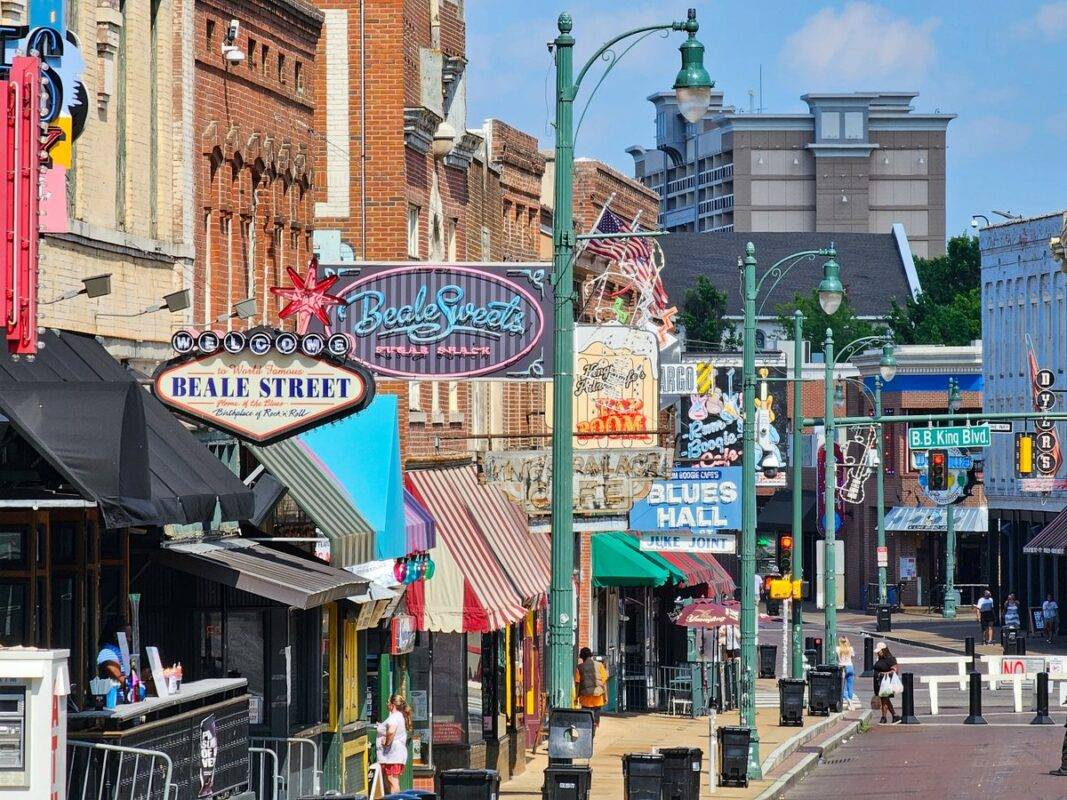
Student housing held for investment qualifies as like-kind property for a 1031 exchange out of most other investment or business real estate, and an investor exiting a Memphis-area rental can identify a student property near a regional university as replacement property within the standard 45-day and 180-day windows. Because performance leans so heavily on a single institution's enrollment health, due diligence here should look closely at that school's recent enrollment history rather than relying only on the property's trailing occupancy numbers. Investors who want exposure to the category without direct leasing management can also consider a DST holding purpose-built student assets, keeping in mind the illiquidity and accredited-investor limits that come with that structure.
Common 1031 Exchange Questions
How is student housing different from regular multifamily?
Leasing typically runs on an annual academic cycle rather than turning over gradually throughout the year, and many properties use bed-by-bed leases with individual liability instead of one lease per unit.
What's the biggest risk in student housing investing?
Enrollment risk. A property's performance tracks the host university's enrollment trend and its own housing supply plans more than local job growth, so a declining or stagnant enrollment can hurt occupancy regardless of the surrounding market.
Are purpose-built student properties always a better buy than conversions?
Not automatically. Purpose-built properties compete better on amenities but cost more to acquire, while conversions offer a lower entry price but can lose ground once newer purpose-built supply enters the market.
Can student housing qualify as 1031 replacement property?
Yes. Student housing held for investment is like-kind to most other investment or business real estate for 1031 purposes, subject to the standard 45-day identification and 180-day closing deadlines.
Why does the leasing timeline matter more here than in conventional apartments?
Because most leases reset annually, a weak leasing season can leave a property under-occupied for a full year rather than filling gradually, so owners typically need to start marketing the next year's leases well before current ones expire.