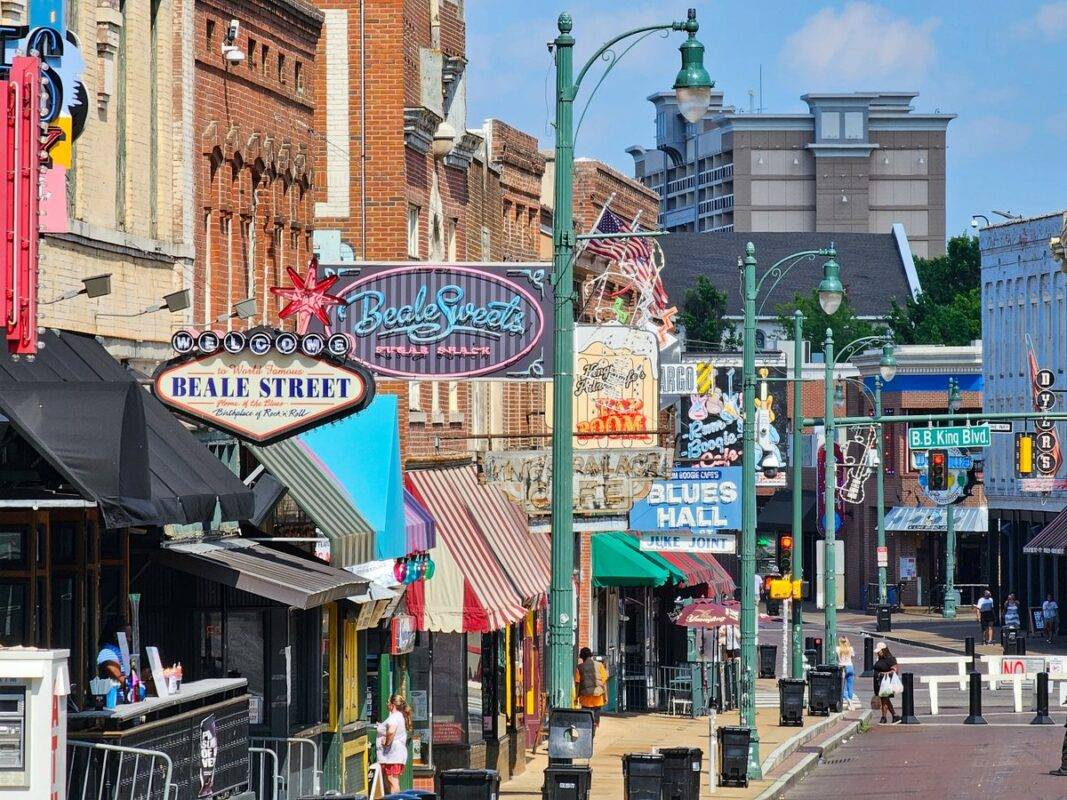
Industrial real estate investment covers warehouses, distribution centers, flex space, and light manufacturing buildings, an asset class that has drawn a steady flow of capital as e-commerce fulfillment and regional distribution demand have grown. Memphis sits in an unusual position within that trend, anchored by a major air cargo hub and interstate access that has made the metro a genuine node in national freight movement rather than a secondary market riding someone else's growth.
Why Location Near Freight Infrastructure Drives Value
Distance to interstate access, rail spurs, and air cargo facilities affects industrial rents more directly than almost any other property feature, since tenants are renting proximity to their supply chain as much as they are renting square footage. A building with strong clear height, dock door count, and trailer parking near a major interstate interchange commands a rent premium over a functionally similar building in a less connected location, and that gap tends to widen rather than narrow as logistics tenants get more selective about site criteria.
Clear Height And Building Specs That Matter To Tenants
Modern distribution tenants generally want clear heights of 32 feet or more to support the racking systems that make a warehouse efficient to operate, along with adequate dock door ratios and trailer storage. Older industrial stock built to lower clear heights can still lease, but usually to a narrower pool of tenants and at a discount to what a newer, taller building in the same submarket would command, which matters when comparing an older Memphis-area building's rent to a newer development nearby.
Lease Structures In Industrial Real Estate
Industrial leases are commonly structured on a triple net basis, similar to retail net lease deals, with the tenant responsible for taxes, insurance, and maintenance. Lease terms tend to run longer for large distribution tenants making a significant investment in racking and equipment inside the building, since relocating that infrastructure is expensive enough that tenants generally prefer a longer commitment over frequent renewal negotiations.
Infill Versus Big-Box Distribution Sites
Not all industrial demand is chasing the same building type. Big-box distribution tenants want large floor plates, high clear heights, and heavy trailer parking on sites near interstate interchanges, typically outside the urban core where land is cheaper and more abundant. Infill industrial, smaller buildings closer to the population they serve, appeals to last-mile delivery operators and local trade contractors who need proximity over sheer square footage. Both segments can perform well, but they draw different tenants, different lease terms, and different comparable sales, so an investor should be clear about which segment a specific building actually competes in before applying market rent assumptions from the wrong category.
Vacancy And Re-Tenanting Risk In Industrial
Industrial vacancy in strong logistics markets has historically run lower than office or retail, but a large single-tenant building carries concentrated risk that a multi-tenant property does not. When a major distribution tenant vacates a big-box building, the pool of replacement tenants needing that exact floor plate and specification is narrower than the pool of tenants who could fill a smaller, more generic space, and re-tenanting can take longer as a result. Investors evaluating a single-tenant industrial purchase should weigh that concentration risk against the typically longer, more stable lease term the same building offers while occupied.
Industrial Property As A 1031 Replacement
Industrial buildings are investment real property and qualify as like-kind for a 1031 exchange out of nearly any other investment or business real estate. Memphis-area investors identifying an industrial replacement often look at submarkets stretching from the airport corridor into DeSoto County, where newer distribution product has been built to serve the same freight network the metro is known for. As with any exchange, identifying a candidate early inside the 45-day window and confirming lender comfort with the building's specs and tenant credit before the deadline matters more than the property's headline cap rate.
Common 1031 Exchange Questions
Why does Memphis attract industrial real estate investment?
The metro's air cargo hub and interstate access make it a significant node in national freight distribution, which drives sustained demand for warehouse and distribution space from logistics tenants.
What clear height do modern warehouse tenants want?
Most large distribution tenants look for clear heights of 32 feet or more to support efficient racking systems, and older buildings with lower clear heights typically lease to a narrower pool of tenants.
Are industrial leases usually triple net?
Commonly, yes. Industrial leases are often structured similarly to retail net lease deals, with the tenant covering property taxes, insurance, and maintenance costs.
Can you 1031 exchange into an industrial building from a different property type?
Yes. Industrial real estate qualifies as like-kind for a 1031 exchange out of most other investment or business real property, subject to the standard 45-day identification and 180-day closing windows.
Why do older industrial buildings sometimes lease at a discount?
Buildings with lower clear heights or outdated dock configurations appeal to a narrower range of tenants than newer product, which typically shows up as a rent discount relative to comparable newer buildings nearby.