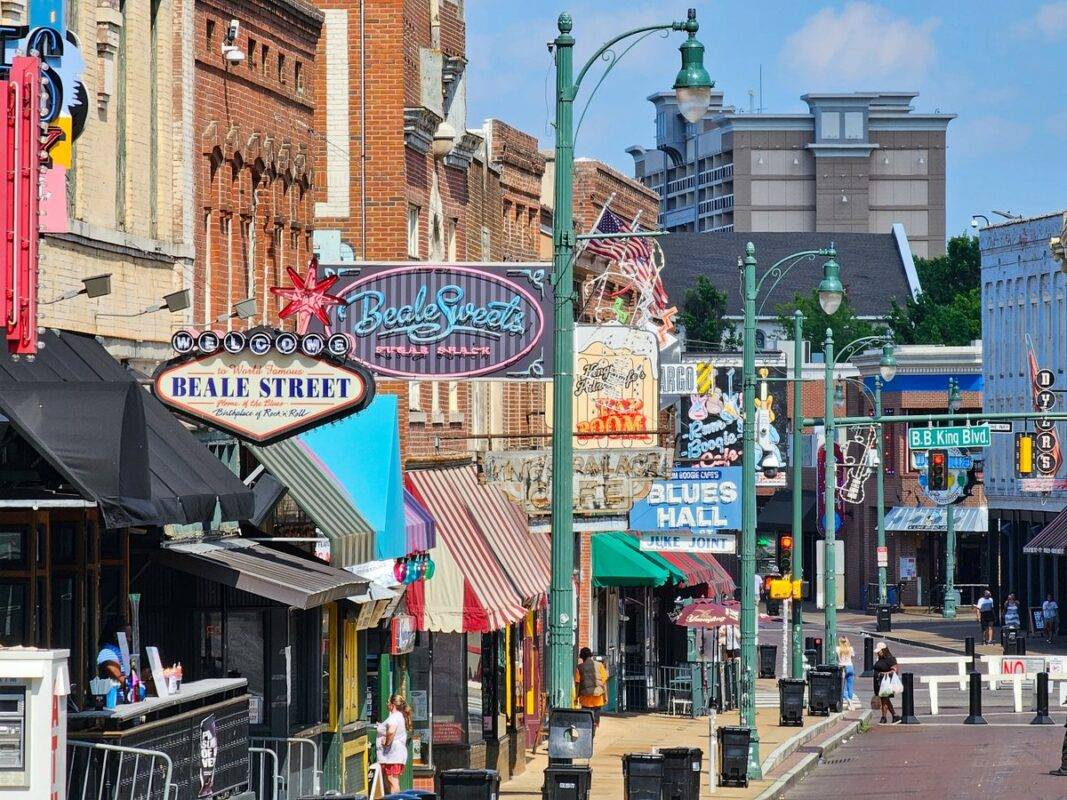
A reverse exchange flips the usual order of a 1031 exchange, letting an investor acquire the replacement property before selling the relinquished one. It solves a real problem, a strong Memphis-area building that will not wait for a slower sale to close, but it introduces a structure that a standard forward exchange never has to deal with, since neither the investor nor the qualified intermediary can hold title to two properties at once under the exchange rules.
Why Buy-First Sometimes Makes Sense
In a competitive submarket, waiting for a relinquished property to close before making an offer on the replacement can mean losing the replacement to another buyer entirely. Industrial and flex space near Memphis's freight infrastructure moves quickly enough that a seller unwilling to wait for a contingent, exchange-dependent buyer will simply take a cleaner offer. A reverse exchange lets the investor secure the replacement now and work out the relinquished sale on a more normal timeline afterward.
The Exchange Accommodation Titleholder's Role
Because the investor cannot hold both properties directly during the exchange, an exchange accommodation titleholder, commonly called the EAT, takes and holds title to one property, usually the replacement, in what is known as a parking arrangement. The EAT is typically a single-purpose entity set up specifically for this transaction, and it holds title until the relinquished property sells, at which point the parked property transfers to the investor as part of completing the exchange. The investor does not lose control of the property during the parking period, but legal title sits with the EAT rather than the investor for that stretch.
The Parking Period Still Runs On A 180-Day Clock
A reverse exchange does not escape the exchange deadlines, it just applies them to the opposite side of the transaction. Under the safe harbor most reverse exchanges use, the investor generally has 180 days from the date the EAT takes title to complete the sale of the relinquished property and transfer the parked property out of the EAT structure, with a 45-day identification requirement of its own applying to the property being relinquished. Investors sometimes assume buying first buys them extra time, when in practice the same deadline pressure simply moves to the sale side of the deal.
Financing Gets More Complicated With The EAT Holding Title
Lenders are generally comfortable financing a property when the borrower holds title directly, and a reverse exchange complicates that because the EAT, not the investor, holds title during the parking period. Many lenders require the investor to guarantee the loan personally even though the EAT is technically the titleholder, and some Memphis-area lenders are simply unfamiliar with parking arrangements and need more lead time to structure the loan correctly. Getting preliminary lender feedback before committing to a reverse structure, rather than after the EAT is already formed, avoids discovering a financing gap with the parking clock already running.
What The Reverse Exchange File Needs To Document
A reverse exchange generates more paperwork than a forward exchange, and the file needs to hold up to scrutiny on its own. That includes the qualified exchange accommodation agreement forming the EAT, the parking arrangement terms describing how the investor controls and uses the property during the parking period, financing documents showing how the acquisition was actually funded, and a clear closing timeline showing the relinquished sale happened inside the applicable safe harbor window. Investors who treat the reverse structure as a financing convenience, without building this documentation as the transaction happens, often find themselves reconstructing records under time pressure near the deadline instead of simply pulling a file that was assembled correctly from the start.
Common 1031 Exchange Questions
Is a reverse exchange more expensive than a forward exchange?
Generally yes. Setting up and maintaining the exchange accommodation titleholder entity, along with the added legal and coordination work, typically costs more than a standard forward exchange structure.
Do you still have a 45-day identification requirement in a reverse exchange?
Yes, but it applies to the relinquished property being identified for sale rather than a replacement being identified for purchase, under the safe harbor most reverse exchanges rely on.
Who actually owns the parked property during the exchange?
The exchange accommodation titleholder holds legal title during the parking period, though the investor typically controls the property's use and management through the parking arrangement documents.
Can any qualified intermediary set up a reverse exchange?
Not every QI offers reverse exchange services, since it requires forming and managing the accommodation titleholder entity. Confirming this capability before relying on a reverse structure matters.
Why would you choose a reverse exchange instead of just selling first?
Mainly when a strong replacement property will not wait for a contingent sale to close, or when market conditions make it risky to sell before securing a replacement in a tight submarket.